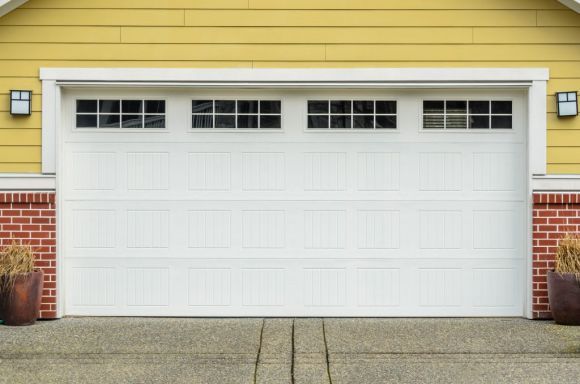
Garage door insulation plays a vital role in maintaining a comfortable home environment and reducing energy costs. By insulating your garage door, you improve thermal efficiency, which keeps the space cooler in the summer and warmer in the winter. This is especially important for homes in regions with extreme temperature variations. Proper insulation also contributes to noise reduction, creating a quieter home, and can extend your garage door's lifespan by minimizing the stress of expansion and contraction due to temperature changes.
In this article, our goal is to explore the different types of garage door insulation, helping you make an informed decision on the best option for your home.
Understanding the Basics of Garage Door Insulation
A key aspect of enhancing your home's efficiency involves adding insulating materials to your garage door to improve its thermal resistance. The primary benefits include maintaining a consistent garage temperature, reducing energy consumption, and enhancing indoor comfort. A well-insulated garage door can also prevent cold drafts from entering your home, especially if your garage is attached to your house.
For homeowners who use their garage as a workspace, gym, or recreational area, insulation can make a significant difference. Imagine working in a home workshop located in the garage during harsh summer or winter months—proper insulation ensures the space remains usable year-round without the need for excessive heating or cooling. Beyond comfort, insulation enhances structural strength; insulated garage doors are generally more durable, able to withstand pressure and resist dents better than non-insulated ones.
Types of Insulation Materials
Given the importance of choosing the right insulation material, factors such as budget, climate, and desired thermal efficiency level should be considered. Understanding the unique characteristics of each material will guide you in selecting the most suitable option for your garage.
Polystyrene Insulation
Building on our commitment to cost-effective solutions, polystyrene is a commonly chosen material due to its affordability and ease of installation. Available in rigid panels that insert into the garage door, it offers moderate thermal resistance. Homeowners in milder climates or those seeking a budget-friendly solution might find polystyrene an attractive option.
Consider this scenario: if you reside in a region with mild winters and warm summers, polystyrene insulation can effectively regulate temperature fluctuations without the financial burden associated with more advanced insulation materials. However, those in extremely cold climates might need to explore other options, as polystyrene alone may not provide sufficient thermal resistance.
Polyurethane Insulation
To fully appreciate the benefits of superior thermal efficiency, consider polyurethane insulation, which outperforms polystyrene. This material is injected as a liquid between garage door layers, expanding to fill cavities and offering high insulation values.
Take the case of a home in a cold-weather region: if your garage is attached and shares a wall with a frequently occupied room, a poorly insulated garage can affect the adjacent space's temperature, leading to increased heating costs. Polyurethane-insulated doors can significantly reduce heat transfer, ensuring a more balanced indoor climate.
Reflective Insulation
A crucial consideration when exploring insulation for hot climates is reflective insulation, which consists of aluminum foil laminated onto foam or bubbles. It reflects radiant heat, making it highly effective in reducing heat gain in areas with high temperatures.
Think about homeowners in Arizona or Texas, where summers can be scorching: reflective insulation helps prevent garages from overheating, subsequently reducing the need for excessive air conditioning in connected homes. However, reflective insulation may not perform as well in retaining heat during winter, making it less suitable for colder regions.
Batt Insulation
As we examine options for cost-effective DIY solutions, batt insulation, composed of fiberglass or mineral wool, emerges as a viable choice. While less common for garage doors, when applied correctly, it can be an effective solution for detached garages or interim upgrades.
If you're insulating an older, detached garage where full-scale insulation upgrades aren't feasible, batt insulation offers a relatively easy and inexpensive method to enhance energy efficiency. Moreover, it can aid in noise reduction, an advantage for garages situated near busy streets or those frequently used for noisy activities.
Determining the Right Insulation Level for Your Home
To decide on the appropriate insulation level, it's essential to understand the R-value—a measure of thermal resistance. This factor depends on the climate and how you use your garage:
-
Cold climates: Opt for insulation with a higher R-value (R-14 or above) to prevent heat loss.
-
Mild climates: A moderate R-value (R-6 to R-10) may suffice.
-
Hot climates: While R-value is less critical, prioritizing reflective insulation can effectively reduce heat gain.
Think about how you use your garage. If it primarily serves as a parking space, lower insulation levels might suffice. However, for spaces like workshops or home gyms, investing in higher R-value insulation enhances comfort and efficiency year-round.
Additional Factors to Consider
Considering other factors can further enhance your garage door's thermal efficiency and insulation effectiveness.
-
Garage Door Construction: The door's structure impacts insulation capabilities significantly.
-
Single-layer doors: Offer cost savings but lack substantial insulation.
-
Double-layer doors: Provide an insulation layer between steel or other materials, offering moderate thermal resistance.
-
Triple-layer doors: Deliver maximum durability and insulation, ideal for extreme climates.
-
-
Weatherstripping and Seals: Even the best-insulated garage doors require secure weatherstripping and seals to prevent drafts and air leaks.
-
Noise Reduction: Insulated doors minimize noise, reducing vibrations and sound transmission—important for those with garages near living spaces.
Professional Installation vs. DIY
When choosing between professional installation and a DIY approach, your budget, expertise, and time availability come into play.
-
Professional installation: Ensures accurate fitting, maximizing insulation efficiency and longevity.
-
DIY installation: Reduces costs but demands careful execution to avoid reducing effectiveness.
For individuals unfamiliar with insulation techniques, hiring a professional can prevent costly errors and deliver greater long-term energy savings.
Selecting the right garage door insulation hinges on understanding your local climate, usage needs, and budgetary considerations. Options such as polystyrene, polyurethane, reflective, and batt insulation each offer distinct benefits. At Precision Door of San Antonio, we take pride in delivering reliable, top-rated garage door services backed by years of experience and customer satisfaction. Since our founding, we’ve provided expert solutions for both residential and commercial customers, ensuring safety, efficiency, and quality in every job. As part of a national network of trusted professionals, we uphold strong values of professionalism, integrity, and customer-first service. At Precision Door of San Antonio, you can be sure to expect:
-
Upfront, no-surprise pricing.
-
Fully background-checked technicians.
-
Financing options as low as 0% interest.
We make garage door repairs and installations stress-free. Contact us today and experience the trusted service that makes us San Antonio’s go-to garage door experts!



















.png)